 +32 475 340 662

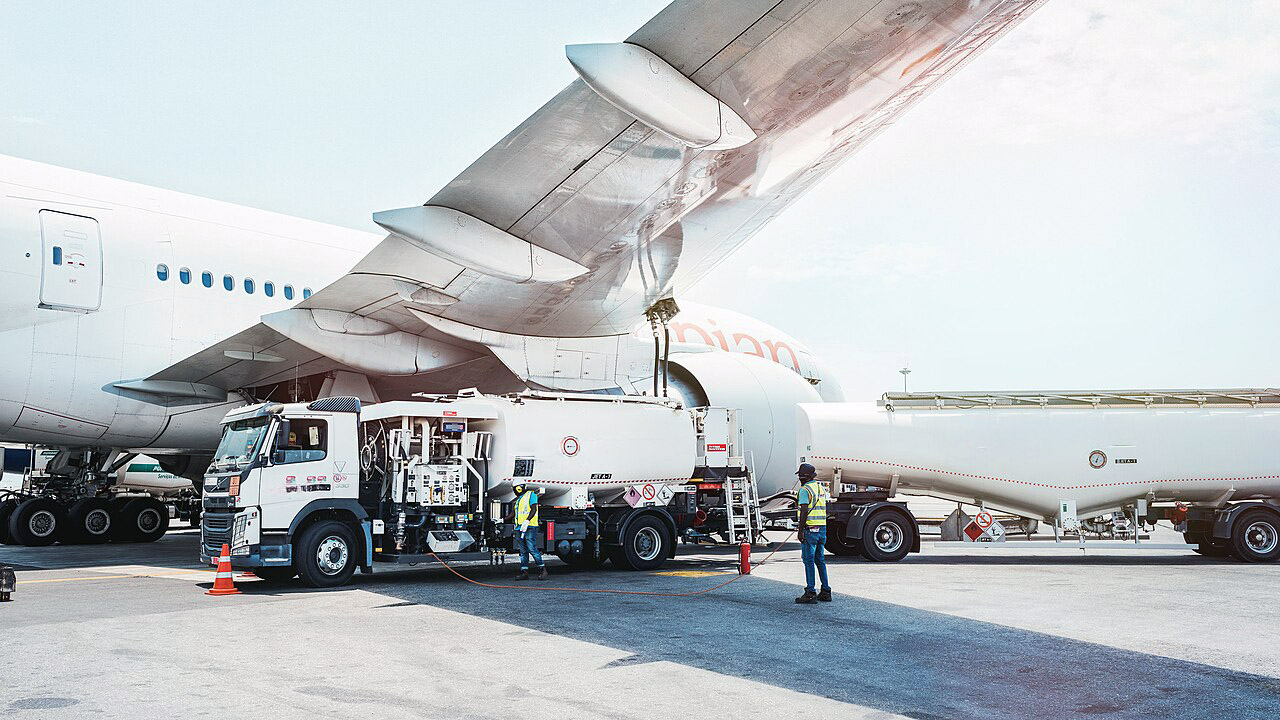

Aircraft refuelling safety depends on proper vehicle positioning, which serves as the first line of defense against potentially catastrophic incidents. While often treated as a routine preparatory step, positioning directly influences the operator’s ability to manage emergencies, protect the aircraft structure, safeguard personnel, and maintain regulatory compliance. As part of comprehensive safety protocols in ground handling operations, correct positioning is crucial. History has repeatedly shown that many apron incidents—wing strikes, fuel spray events, blocked evacuation routes, and delayed emergency responses—can be traced back to poor or complacent positioning decisions.
Correct positioning is not merely about convenience or hose reach. It is a risk-control measure designed to ensure that, at any moment during fuelling, the refuelling equipment can be removed quickly and safely without creating secondary hazards. Industry guidance consistently reinforces that refuelling vehicles must be positioned to allow immediate forward drive-away, with no requirement to reverse in an emergency. This principle is fundamental to refuelling procedures and contributes significantly to overall operational safety.
The primary objectives of refuelling vehicle positioning

Effective positioning must achieve three simultaneous objectives:
- Enable rapid emergency withdrawal of the fuelling vehicle
- Maintain safe separation from aircraft hazards
- Preserve evacuation and rescue access routes
Failure in any one of these areas significantly increases the severity of an otherwise manageable abnormal situation, such as a fuel spill, a vapour-ignition risk, or an aircraft system malfunction. These objectives are integral to maintaining the integrity of aircraft fuel systems and ensuring the safety of all personnel involved in the refuelling process.
Forward entry and unobstructed exit: the non-negotiable principle
One of the clearest principles in aircraft fuelling guidance is that vehicles should approach the aircraft in a forward direction and depart in a forward direction, wherever practicable. Reversing introduces blind spots, reliance on guides, and delays—none of which are acceptable during an emergency response. For fueller–trailer combinations, reversing is explicitly prohibited due to the increased risk of jack-knifing or loss of control.
Once the vehicle is in position, the exit path must remain continuously clear. If another ramp vehicle blocks that path, fuelling must stop until the obstruction is removed. This requirement is not procedural inflexibility; it is a recognition that emergency conditions escalate rapidly, and seconds matter. The ability to quickly activate the emergency fuel shut-off and evacuate the area is paramount in critical situations.
Managing proximity to aircraft hazards
Aircraft fuelling environments contain multiple dynamic hazards that must be anticipated during positioning—not reacted to afterward. Understanding these hazards is crucial for effective fuel quality control and safe operations.
Fuel tank vents and vapour zones
Aircraft fuel tank vents, which are critical fuel system components, can release flammable vapours during fuelling. Vehicles must remain outside the defined vent safety zones, typically a minimum radius of three meters. Engines or exhaust systems must be positioned away from these areas to prevent ignition risks.
Wing settlement and control surface movement
Wing settlement creates another positioning challenge that even experienced operators can miss. As fuel weight increases, aircraft wings can settle significantly—sometimes by more than one meter. A vehicle that initially appears safely clear can become a contact risk if this movement isn’t anticipated. Additionally, certain aircraft types may automatically deploy slats or flaps as part of system logic, reducing underwing clearance without warning.
APU exhaust efflux
Auxiliary Power Unit exhausts can introduce ignition risk and high-temperature zones. Vehicles should never be positioned where exhaust gases could impinge on hoses, couplings, or fuel vapour clouds. This consideration is especially important when using hydrant dispensers or other stationary refuelling equipment.
Protecting evacuation and emergency response routes

Refuelling operations frequently occur while passengers are onboard. As such, fuelling vehicles and hoses must never obstruct:
- Passenger and crew evacuation routes
- Emergency slide deployment areas
- Access for airport rescue and firefighting services
Positioning that prioritizes hose convenience over evacuation integrity compromises the aircraft’s emergency response capability and violates fundamental safety expectations. This aspect of positioning is a critical part of overall ground handling operations and must be carefully managed.
Human factors: why positioning errors persist
Despite clear procedures, positioning errors continue to occur—often due to human factors, not technical ignorance. The aviation industry recognises twelve common human factors (“the Dirty Dozen“) that degrade performance, several of which are directly relevant to fuelling operations:
- Pressure to meet tight turnaround times
- Complacency on familiar aircraft stands
- Lack of awareness of the changing aircraft configuration
- Norms such as “this is how we always park here.”
These influences can lead experienced operators to accept marginal clearances, blocked exits, or non-standard positioning—until an abnormal situation exposes the weakness in that decision. Proper training in the use of refuelling equipment, including the deadman control system, can help mitigate these human-factor risks.
The role of stand plans in risk control
Well-developed stand plans translate generic safety rules into precise, location-specific guidance. Effective stand plans define:
- Approved approach routes
- Exact fuelling vehicle parking positions
- Emergency exit paths
- Known hazards such as hydrant pits, vents, and wing envelopes
Stand plans should be designed to eliminate reversing wherever possible and retained in vehicle cabs for immediate reference. Where persistent access difficulties exist, these must be escalated to airport authorities rather than normalized through unsafe practices. These plans are essential tools in maintaining consistent refuelling procedures across different aircraft types and airport configurations.
Positioning as a professional judgement, not a habit
Correct refuelling vehicle positioning is a deliberate professional judgement, not a mechanical habit. The operator must continuously reassess whether conditions remain safe throughout the fuelling operation—particularly if aircraft configuration changes, weather deteriorates, or third-party vehicles encroach into the fuelling zone.
The ultimate test of good positioning is not how quickly fuelling starts, but how effectively the operation can be controlled, interrupted, or terminated when conditions demand it. This includes the ability to quickly activate emergency fuel-shutoff systems and safely remove refuelling equipment from the aircraft’s vicinity.
Conclusion
Refuelling vehicle positioning is one of the most powerful safety barriers available in aircraft fuelling operations. When applied correctly, it prevents incidents before fuel flows, preserves emergency response capability, and reinforces a culture of disciplined professionalism on the apron.
In high-reliability fuelling environments, positioning is treated not as a convenience decision, but as a critical risk-management action—verified before fuelling begins and protected until the last hose is disconnected. It is an integral part of comprehensive safety protocols that encompass all aspects of aircraft fuel systems and ground handling operations.
By prioritizing proper positioning and adhering to established refuelling procedures, operators can significantly enhance the safety and efficiency of aircraft fuelling operations. This commitment to safety extends beyond mere compliance, embodying a proactive risk-management approach essential in the complex, dynamic environment of modern aviation.


